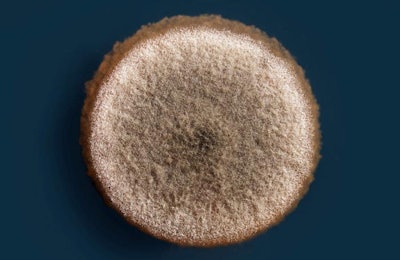
Like fighting fire with fire, naturally occurring preservatives extracted from bacteria and fungi can protect dog and cat food from pathogenic microorganisms and slow spoilage from oxidation. As FSMA increases scrutiny on biosecurity at the same time that consumers increasingly demand pet foods with natural claims, preservatives from fungus and bacteria may provide pet food manufacturers with formulation options.
Learn more about three types of naturally occurring preservatives in the Petfood Industry Knowledge Center, a collection of premium content for pet food industry professionals. This library contains 100 articles by nutritionist Greg Aldrich, PhD, associate professor at Kansas State University, published in Petfood Industry since 2005.
On an industrial scale, lactic acid is produced using bacteria such as Lactobacillus delbrueckii. Lactic acid is relatively easy to incorporate into dog and cat foods as a preservative, according to Aldrich. What’s more, lactic acid may provide some residual Salmonella control after the food has left the manufacturing environment. Since lactic acid occurs naturally in dogs’ and cats’ bodies and is universally recognized as beneficial, the ingredient may face less resistance than synthetic preservatives from consumers seeking natural pet foods.
Although found in many fruits, citric acid is produced commercially by with Aspergillus niger fungi. In pet food, citric acid is used to slow the oxidation of fat, commonly called rancidity. Nutritionists consider citric acid to be a natural, functional pet food ingredient, said Aldrich.
However, internet rumors and pet food pseudoscience have led some pet owners to doubt its safety and utility, noted Aldrich. The gravest of these false internet allegations suggested that citric acid causes an acute life-threatening condition, known as bloat or gastric dilatation volvulus, in dogs.
Like lactic and citric acids, other types of carbon-containing, or organic, acids can be extracted from microorganisms and used as pet food preservatives. Propionic acid, for example, is currently used in cattle feed and baked goods, as well as pet food. However, the potency of organic acids can be low compared to synthetic products like calcium propionate or sodium lactate, said Aldrich, so the application level may need to be higher.