Once touted as a promising extension of Europe’s fast-growing halal food economy, halal-certified pet food has so far failed to break out of its niche. Despite the launch of several specialist brands and rising interest in ethical and religiously aligned products, the category remains marginal, constrained by limited consumer awareness, unclear religious necessity and intense competition from established premium pet food brands.
Quite a few brands offering halal pet food emerged on the European market during the last few years.
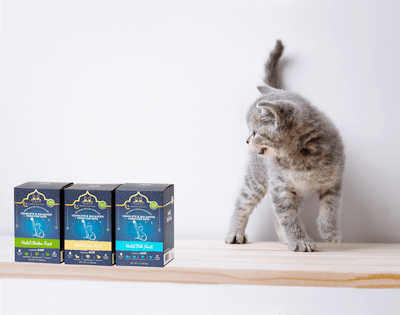
Launched in 2021, Tiana Halal Cat Food was a pioneer in marketing high-quality, halal-certified and often grain free pet food in Europe. In 2024, it was followed by Hurayra Pet Food, which focused on halal-certified dry cat food with plans to expand into wet food and dog food.
Several halal pet food brands are also imported to Europe, including Reflex, produced by Lider Pet Food in Turkey, and Powercat, delivered from Southeast Asia and primarily available through various online retailers.
While halal pet food was considered another “big thing” in the European pet food industry a few years ago, very limited growth in this segment during the last few years makes analysts much more cautious about their forecasts.
“I don’t see this as a major trend,” said Péter Tamási, CEO of PetPartners Hungary, a pet company, citing a lack of recognition on the market. “Talking to some of the major manufacturers, this has never come up, so it is definitely still a niche.” He noted that halal pet food is virtually absent from the Hungarian market, a situation he said is likely linked to the country’s relatively small Muslim population compared with many Western European countries.
On the other hand, the Islamic Services of America said there has been a growing demand for halal pet food across the world due to increasing demand from Muslim pet owners, concerns about animal welfare and a growing interest in high-quality, ethically produced pet food.
Is halal pet food even necessary?
Halal is an Arabic term meaning “permissible.” With pet food, halal refers to food that is permissible according to Islamic dietary laws, which means the food must be prepared, processed and packaged in a way that meets the Islamic standards of cleanliness, hygiene and ethical treatment of animals. However, even in countries with predominantly Muslim populations, pet food certification under halal standards remains uncommon.
Historically, in Islamic tradition halal requirements apply to food consumed by humans, not to feed intended for animals. There is no religious rule obliging pet food to be halal, and feeding animals products that are not halal is generally considered permissible. As a result, pet owners are not required under Islamic law to ensure that pet food meets halal standards.
“A visible challenge to this category’s demand growth is ambiguity on whether or not it is even necessary to feed halal pet food to one’s cat,” said Sahiba Puri, global insight manager for pet care at Euromonitor International. “Even though lifestyle choices among European Muslims may drive demand for the category, factors like pricing, availability and strong competition may deter growth, especially given the lack of any kind of mandate on halal pet food feeding.”
The topic of halal dog food seems even more controversial. While several companies have plans to manufacture dog food under halal standards in Islamic tradition, the religion generally regards dogs as ritually impure (najis). For this reason, Muslims are traditionally discouraged from keeping dogs as household pets, let alone feeding them with halal pet food.
Humanization of pets keeps the door open
Despite this, market analysts believe the market still offers growth opportunities. “I believe the demand for halal pet food has strong potential, especially as consumer awareness around ethical and religious dietary standards increases across all food sectors, including pet nutrition,” commented Rachid Chafyaay, founder of Halal-N-Tayyib Meats, a company promoting halal food products. “I am unsure if the segment’s slow start is due to a lack of awareness among pet owners regarding the importance of halal ingredients or if it is related to cost.”
Despite the slow start, Chafyaay said, the market expects to see significant growth moving forward, particularly in regions where the consumer base highly values these attributes, such as Europe.
Halal pet food has the potential to grow rapidly in the coming few years, Puri said. “A factor that will be critical in determining its success is enabling a clear understanding of the halal certification process for both consumers and producers. While a lack of understanding among consumers can lead to confusion, the same on a producer’s end could mean unwillingness to invest in halal-certified production processes due to costs and complexity.”
However, she continued, a key upside for the category is sophisticated levels of pet humanization in developed markets like Europe, which supports demand for such nuanced offerings that are extensions of one’s own lifestyle and dietary choices.
Ultimately, analysts believe, the future of halal pet food in Europe may depend less on religious obligation and more on lifestyle alignment. As pet humanization continues to deepen and consumers increasingly seek products that mirror their own ethical, cultural and dietary values, halal certification could find a broader role within premium pet nutrition.