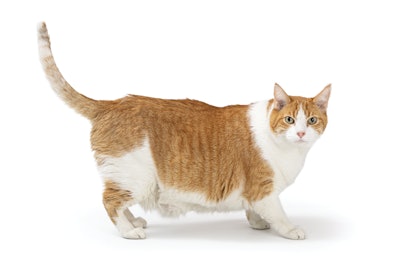
Obesity is a continuing problem for pets, with overweight and obese rates going up in spite of more education from veterinarians, weight-specific pet food formulations and a number of technologies designed to track a pet’s activity.
A 2022 U.S. Pet Obesity Prevalence Survey conducted by the Association for Pet Obesity (APOP) determined that 61% of cats and 59% of dogs in the U.S. are overweight of have obesity. Similarly, UK Pet Food’s 2024 UK Pet Obesity Report found that 43% of cats and 50% of dogs in the UK are overweight (versus 40% and 45%, respectively, in 2014). Worse yet, obesity is apparently a growing problem for all pets, not just cats and dogs, with the UK survey finding that 31% of small mammals are overweight (versus 28% in 2014) and 9% of birds are overweight.