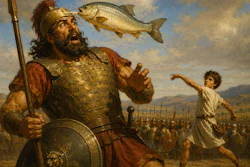
In this ongoing series for Petfood Industry, David Yaskulka analyzes how emerging brands deploy the Mission-Fueled FBMO (First, Best, Most, Only) framework to take market share. Instead of fighting giants head-to-head, this framework uses a clear mission to forge an undeniable connection with a core audience, winning brand leadership within a targeted segment.
Walk down the pet food aisle today, and animal rescue is a universal corporate standard. Every brand has a shelter dog on its packaging and a brag list of donated meals.
It didn't used to be that way.
In 2008, the pet trade actively fought animal rescue, labeling advocates extremists and warning that aligning with shelters betrayed traditional retail stores. Supporting rescue was viewed as funding the enemy — our sales director even warned I was destroying the company.
Yet, this hostility was our opening. The $17 billion market was dominated by titans like Mars and Nestlé; at a modest $8 million, Halo was a rounding error.
Iconic CEO Steve Marton harnessed Halo's private equity backing and co-owner Ellen DeGeneres, recruiting me from outside the industry to translate purpose into a commercial engine. Knowing a purpose-led mission requires flawless execution, Steve brought in trusted Colgate veterans like Betty Hamilton for trade marketing, while I marshaled a team of savvy, mission-driven independent contractors — including Caroline Golon, Belkis Cardona-Rivera and Deb Rankin — for consumer plays. This dual-track architecture turned rescue into an asymmetric weapon that helped quadruple revenue.
1. Bold battles: Embracing the backlash
An asymmetric pivot requires a challenger to move into spaces where corporate giants are paralyzed by risk aversion, bureaucracy and the need for mass appeal. Because legacy brands stayed safely on the sidelines of the rescue movement, we leaned straight in.
We anchored the brand to this demographic through grassroots partnerships with Freekibble.com and Greater Good Charities. This allowed us to "double dip" — promoting both the generation and allocation of donations. We also bought ad space in the Humane Society of the United States (HSUS) magazine — the space's highest-circulation publication — bypassing warnings of backlash.
To navigate the magazine's ban on meat advertising, we placed our fast-growing vegan line inside a broader brand equity layout and trial offer. This play bypassed traditional noise, making us the only pet food present, and accelerated sales velocity across Halo's entire meat-inclusive portfolio.
The Lesson: Don't just look for a "safe" cause. Find a high-affinity audience that giants are too slow or too mainstream to touch, and drive your brand into marketing sandboxes your competitors cannot play in.
 David Yaskulka
2. Lock down your "Only"
The FBMO model dictates that a challenger establish a superlative — ideally becoming the Only option a dedicated demographic sees by targeting uncontested subsegments:
- The LGBTQ+ demographic: Research showed this community over-indexed for pet spending and rescue adoption. I positioned Halo as the first pet food brand to advertise in Curve magazine, leveraging Ellen's image in an uncontested vertical.
- The early influencer monopoly: Before the pet influencer space went mainstream, we locked in exclusive contracts with top-tier digital personalities like Manny the Frenchie, Lil Bub, Nala Cat and Jackson Galaxy, denying competitors access to these highly engaged communities.
- The vegan demographic: We ran a similar playbook in vegan media, a niche focus that culminated in 2018 when our Garden of Vegan line won "Best Dog Food" at the global VegNews Veggie Awards via one million consumer votes.
The Lesson: Don't try to appeal to the broad middle. Lock down hyper-focused, uncontested subsegments before they attract corporate attention, and establish an exclusive superlative that makes your brand the only option.
 David Yaskulka
3. Sharp filters, scrappy storytelling
A mission-fueled strategy protects a small team's limited resources. We used two strict filters:
The Scale Filter: Can legacy brands do this? If yes, pass — they have more resources.
The Alignment Filter: Is the opportunity attached to an entity unloved by your audience? If yes, pass. This saved us from sponsoring the American Kennel Club's rescue efforts. AKC's breeding focus conflicted with our core rescue advocates.
Instead of traditional ad spend, we captured cultural attention and owned the narrative through three scrappy channels:
- Proprietary storytelling: We partnered with Peter McEvilley to create "Le Sauvetage" ("The Rescue"), an artsy short film starring the winning Olate Dogs. Its selection at the Sonoma Film Festival impressed retail buyers, and we proudly sponsored its appearance in Traci Hotchener's popular Dog Film Festival.
- Innovative media distribution: As founding sponsor of Steven Latham's independent PBS series "Shelter Me," we attracted iconic celebrity hosts like Jon Hamm, Jane Goodall and Allison Janney because the mission resonated. Driven entirely by this organic cultural alignment, the series easily outperformed our traditional TV ad spend.
- Earned PR activation: For the Academy Awards, we placed 10,000-meal donation certificates into the legendary celebrity gift bags (a Betty Hamilton inspiration). This sparked immediate waves of national organic press, followed by a second wave of high-impact PR when the stars redeemed them for local shelters.
The Lesson: Don't waste capital trying to copy a giant's ad budget. Use strict scale and alignment filters to protect your team's time, and channel your resources into proprietary storytelling where you can own the narrative entirely.
 David Yaskulka
4. Clicks and community: The digital army
To drive sustained velocity, a brand can own a mission-aligned digital ecosystem. In 2010, we sponsored Freekibble.com — a click-to-donate daily trivia platform started by 13-year-old Mimi Ausland — as our primary digital engine. By pairing daily trivia traffic with a free-trial couponing program, we expanded Halo's email subscriber base from 7,000 to over 500,000 highly engaged pet parents.
We later partnered with the Petco Foundation on their national "Holiday Wishes" campaign, where Halo food donations and rescue promotions shifted our retail dynamic. We weren't just a supplier begging for shelf space; we became a strategic partner amplifying Petco's core identity.
The Lesson: Don't settle for being just another vendor begging for distribution. Build an owned ecosystem to scale your audience, and leverage your mission to turn retail accounts into deep, strategic partnerships.
 David Yaskulka
5. Feeding rescues, fixing warehouses
Benefits multiply when you convert a mission into tangible operational advantages that build enterprise value. Sustainability is great at that, and so is rescue.
We committed to donating 1 million meals to shelters annually — a milestone sustained for nearly a decade. Across our industry, donations provide a vital lifeline that typically come from inventory too short-dated for distributors. Halo's outsized donation commitment required increased production.
Operations leaders Marilyn Sherwin and Donna Bowden expertly integrated this pipeline into our FEFO (First Expired, First Out) system. By channeling Halo's shortest-dated inventory to rescues while routing the newest runs to retail, we eliminated expiration liabilities. Shelters celebrated us for donating their freshest food. Halo eliminated a supply chain challenge while creating enduring enterprise value.
The takeaway for today's Davids
For challenger brands, the landscape has changed. Animal rescue is no longer an FBMO strategy. If you launch a brand today based solely on "helping shelter pets," you will be crushed by corporate budgets that write bigger checks with their eyes closed (and that is the ultimate victory for advocacy).
When Steve Marton asked me in 2018 to repeat our Halo rescue success formula at Nature's Logic, I felt that ship had sailed; the brand was too small to compete with massive corporate budgets now dominating shelters. Instead, we pivoted to capture leadership in environmental sustainability — a different strategic sandbox we will break down in our next case study.
The next David won't win by copying our past. They'll find the next high-stakes battleground where the giants are too afraid, too slow or too mainstream to stand.
About David Yaskulka
David Yaskulka is a chief marketing officer and strategic advisor specializing in turning emerging CPG brands into sector leaders. He was vice president of marketing for Halo, CEO of Nature's Logic and senior vice president for Mid America Pet Food, and has served as board chair at Pet Sustainability Coalition and Greater Good Charities. He now advises Love, Nala, Archway and rePurpose Global, focused on elevating commercial performance and corporate purpose.